
info for schools
info for schools
info for schools

The resources we have created are legally robust and draw on a deep understanding of the subject matter, ensuring teachers can use the materials with confidence.
By also drawing on the deep curriculum and pedagogical knowledge of teaching professionals, you can also have confidence the resources meet the needs of teachers.
A fully modular suite of resources means teachers have the flexibility and choice to integrate Waha into any civics and citizenship programme. Use the suite as a resource hub, taking bite-sized bits, or build your entire civics programme around it. It’s entirely up to you!
Programme structure
The programme is structured around three themes:
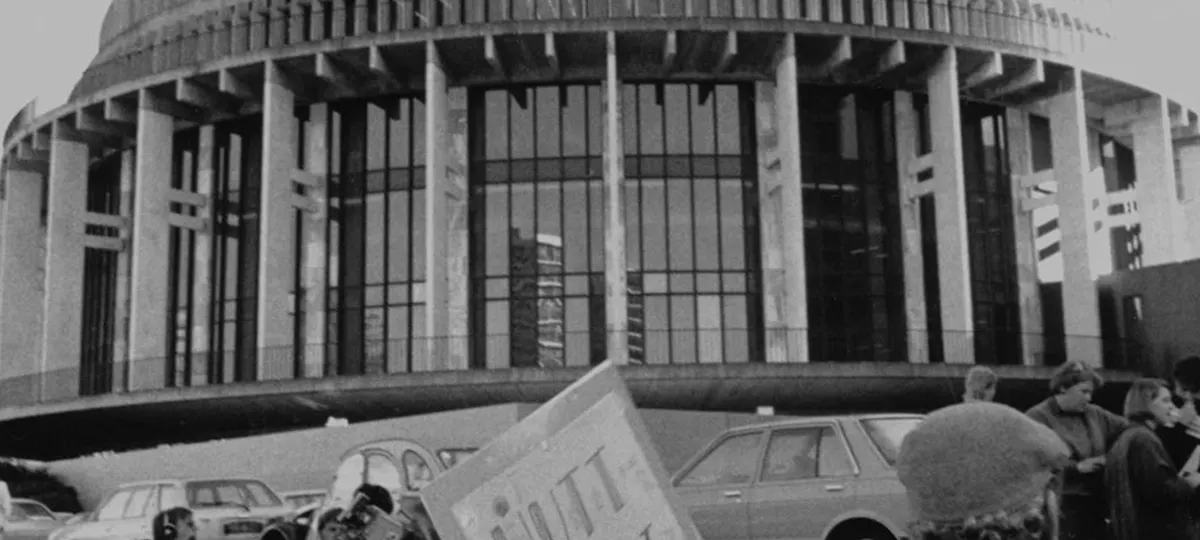

Your Voice
An individual focus, exploring the connection between the world of a young person, children’s rights, and how participation in local communities help young people to thrive.
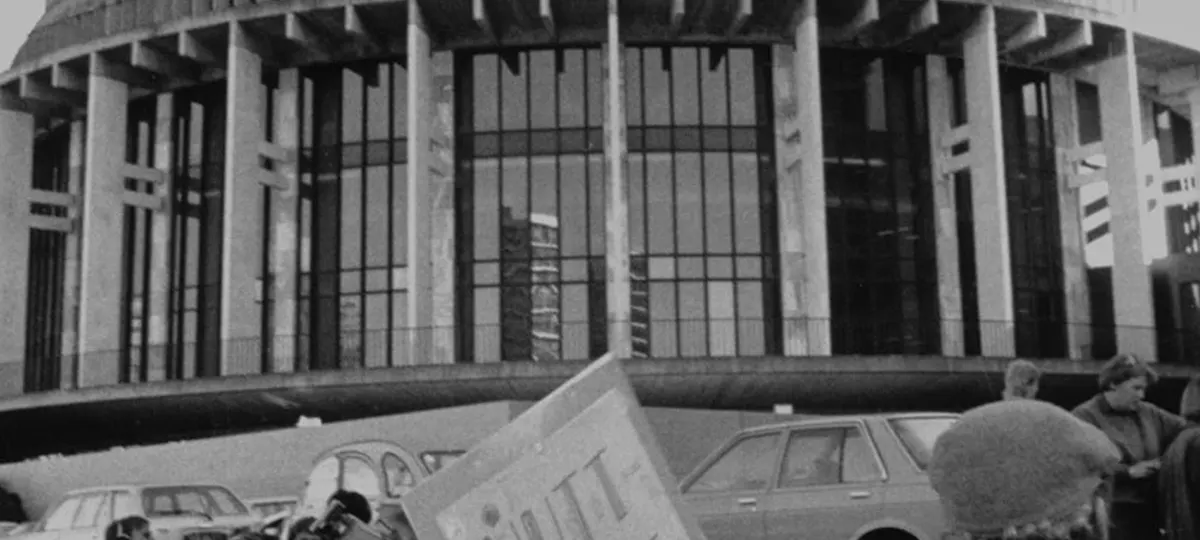

Our Voice
A collective focus, exploring key civic systems and why collective participation in those systems is important for promoting rights, inclusivity, cohesion and other positive goals.
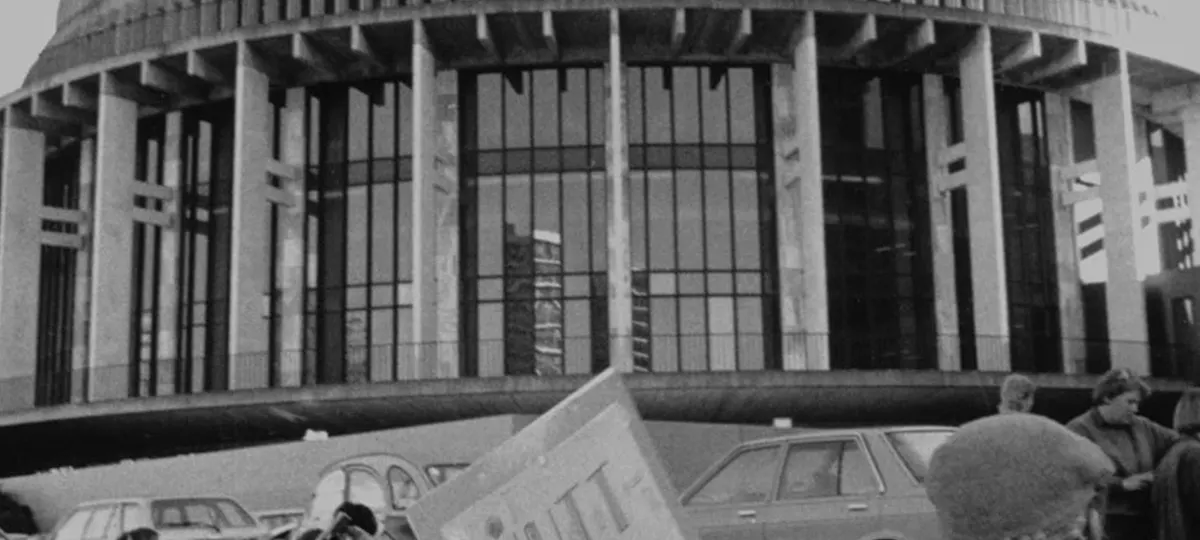

Waha
A focus on taking action, exploring the tools people use within legal and political systems to make change.
Each theme contains a collection of resources:
01
A core lesson
Each core lesson (Your voice, Our Voice, or Waha) is designed to be completed in one classroom session and contains:
- a short video
- a game
- a worksheet
It's designed to do some heavy lifting by engaging students and introducing key concepts.
02
Supplementary lessons
These are designed to explore key concepts in more detail. They can be used in isolation or as an integrated learning pathway.
As a learning pathway, students will explore how to turn children's rights into law, giving them a rich picture of how social issues get translated into policy and law.
03
Trusted resources and links
Waha acts like a gateway to other parts of the civics universe. The Resource Hub connects you with other quality resources from organisations - including government and civic society.
We will continue to curate and add the best civics resources we can find. Use the hub to extend learning or as a bridge to your own classroom curriculum.

What is the best way to get started?
New to civics?
If civics is a new topic for you or your students, consider taking a structured approach. Begin with the first core lesson — Your Voice, then explore the related topics. Next, move on to the second core lesson — Our Voice, followed again by the related topics. Finally, progress to the third core lesson — Waha, and continue exploring through its connected topics.
An old hand?
If you’re an experienced social science teacher, Waha can be integrated into most school programmes. Spend some time getting to know the core lessons and the Resource Hub, explore the library of external sites, then build your own path.

Can I use Waha in place of my current programme?
Yes. While Waha lessons can be taught in isolation, there is also an integrated learning pathway which takes students on a journery. Starting with a vision of Aotearoa where all young people thrive, students explore the laws and systems we need to make that vision a reality. They then explore the tools and tactics needed to bring this world about. This learning pathway invites them so see themselves as effective agents of positive change in Aotearoa.
How long does the Waha programme take in my term timetable?
Waha doesn’t follow strict lesson plans or units. It's flexible enough to support whatever programme you already do, but it's also rich enough to sustain a full school programme. If you want to follow the full learning pathway this will take around 12 lessons.
Each Waha lesson can be done in one classroom session. The associated libraries will grow over time – meaning Waha can in theory keep you going for years!

Do schools have to pay to use the programme?
Waha is free. We are passionate about making Aotearoa the best it can be. We have also curated external links to other quality resources you can use for free.
We want to build a community of practice, track progress, and use that data to remain sustainable. All we ask is you sign up to use the resources, and occasionally provide feedback on how you’re using them.
Subject to funding, we hope to make our games and some other resources available for purchase (at cost) from mid-2026. But we’ll always maintain these as free, downloadable resources as well.

What year(s) is Waha suitable for?
Waha can reach across many year levels.
The core programme is designed to engage and make civics relevant. It fits well at year 9 and 10, but will be relevant and engaging for students from year 7-13. The material in the Waha lesson offers excellent tools and opportunities for senior students, and these students can simply start here.
What support or training do schools get?
Waha can be explored and used by teachers without any need for support – but we’re always here to help. We’re also keen to promote best practice. In developing Waha, we’ve seen first-hand the enormous potential of ongoing collaboration between the teaching and legal professions.
- We will provide hands-on training and support for the pilot schools.
- We will hold online training sessions each school holiday for teachers wanting to pick the programme up in the following term.
Long term, we have three other goals:
- Support a community of practice where teachers can share feedback, share ideas, explore new content, and explore collaboration
- Create a community of schools and civic society stakeholders so teachers can access future opportunities, such as guest speakers, out-of-school visits.
- Curate and broker collaboration in real-life law reform opportunities.
Sign Up to our Newsletter
We'd love to keep you posted about Waha, every so often.



Get IN
tOuCH

Want to know more about Waha, or use it in your classroom? We'd love to hear from you.